

Birdwatching Safaris: South Africa's Feathered Highlights
Heading out on safari is more than a trip, It’s an immersion into wild landscapes, untamed beauty, and unforgettable encounters. And while the animals may steal the show, what you wear plays a surprisingly big role in your comfort, safety, and overall experience. No, safari style isn’t just about looking the part. it’s the colours you pack that actually matter.
Whether you’re planning your first expedition or returning to the bush, here’s the ultimate guide to choosing the right safari colours and why they work.
Kruger National Park and the Lowveld
Kruger isn’t just about the Big Five—it’s a birding mecca hosting around 500 species. Early morning game drives reveal Lilac-breasted Rollers perched on roadside branches, their vibrant plumage catching the first light. Watch for the endangered Southern Ground Hornbill foraging in family groups or scan the skies for the majestic Martial Eagle.
Kgalagadi Transfrontier Park
This vast semi-arid wilderness offers specialized desert species. Look for Sociable Weavers, whose enormous communal nests dominate acacia trees, and the stunning Crimson-breasted Shrike with its striking scarlet chest. Raptors thrive here, scan the skies for Pale Chanting Goshawks, Lanner Falcons, and the elegant Secretary Bird striding across the plains.
Cape Peninsula and West Coast
The fynbos-clad mountains around Cape Town harbour six endemic species found nowhere else on Earth. The Cape Sugarbird feeds on proteas and is most vocal during the winter flowering season, while the Orange-breasted Sunbird flashes like a jewel between fynbos flowers. Along the West Coast, wetlands attract massive flocks of flamingos, and African Penguin colonies at Boulders Beach offer delightful viewing.
KwaZulu-Natal and Garden Route
From iSimangaliso’s coastal forests sheltering the rare Spotted Ground Thrush to the Drakensberg’s high-altitude specialists like Bearded Vulture and Drakensberg Rockjumper, this region offers remarkable diversity. The Garden Route’s ancient forests harbor the stunning Knysna Turaco and Narina Trogon, their vibrant plumage camouflaged among leaves and shadows.
When to Visit
Summer (October to March)
Brings Palearctic migrants fleeing the Northern Hemisphere winter. Birds are in breeding plumage, males are singing, and nesting activity provides excellent behavioural observations.
Winter (April to September)
Offers clearer skies, less vegetation, and excellent visibility. In the Cape, winter is protea flowering season, when Cape Sugarbirds and sunbirds are most visible and vocal. The weather is generally more comfortable for extended outdoor observation.
What to Wear
Dressing for Birding Success
The right clothing can make or break your birding safari. You need gear that’s comfortable for long hours of observation, practical for varying terrain, and appropriate for temperatures that change throughout the day.
Salty Bushwear has been outfitting African adventurers since 1957, and is perfectly designed for the demands of birdwatching safaris.
Bush Shirts
The foundation of any birding outfit is a quality long-sleeved bush shirt. Salty Bushwear’s bush shirts, Men’s Maasai Mara Long Sleeve Bush Shirt (8555-CO)and Women’s Liuwa Long Sleeve Bush Shirt (8651-CO), available in colours like Desert Khaki and Fatigue, blend beautifully into natural surroundings, essential when you need to remain inconspicuous. The long sleeves protect against the sun, thorns, and insects, while breathable fabrics keep you comfortable.
For women, the Gambella Short Sleeve Bush Dress (8666-CO) combines safari style with feminine comfort, perfect for transitioning from morning birding to an afternoon at the lodge.
Cargo Trousers and Shorts
Serious birding often means scrambling through rocky terrain or settling into hides. Our Trailblazer Cargos (EM043-CO) provide durability and pocket space for binocular cleaning cloths, lens caps, and bird checklists. The Epic Cargo Kortbroek (6241-CO) is ideal for warmer regions or summer birding.
Bush Jackets
Early morning birding often starts in near-freezing temperatures that warm considerably by mid-morning. Our Men’s Caprivi Safari Jacket (7284-CO) and Women’s Okavango Safari Jacket (7338-CO) provide wind protection and warmth without bulk, allowing you to shed layers as the day heats up. The Etosha Softshell Jacket (7395-SSH) and Tuli Softshell Jacket (7323-SSH) offer weather resistance for the Western Cape’s unpredictable conditions.
Headwear
The sun in South Africa can be intense. A wide-brimmed hat not only protects your face and neck but also reduces glare when scanning the skies. Our Kalagadi Bush Hat (9176-CO) is designed for the African sun, practical, comfortable, and styled to match your bush attire.
Essential Birding Kit
Beyond clothing, every birder needs:
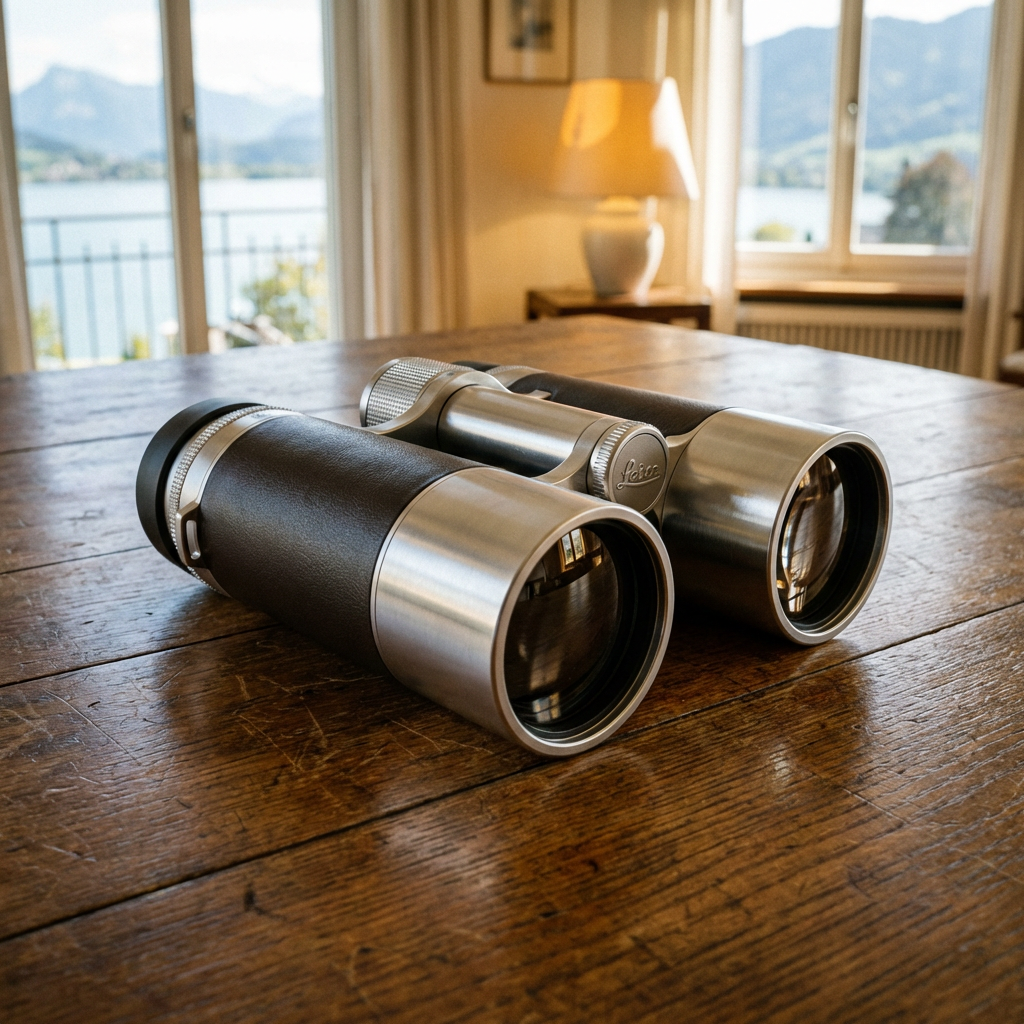
Quality binoculars
(8x42 or 10x42)
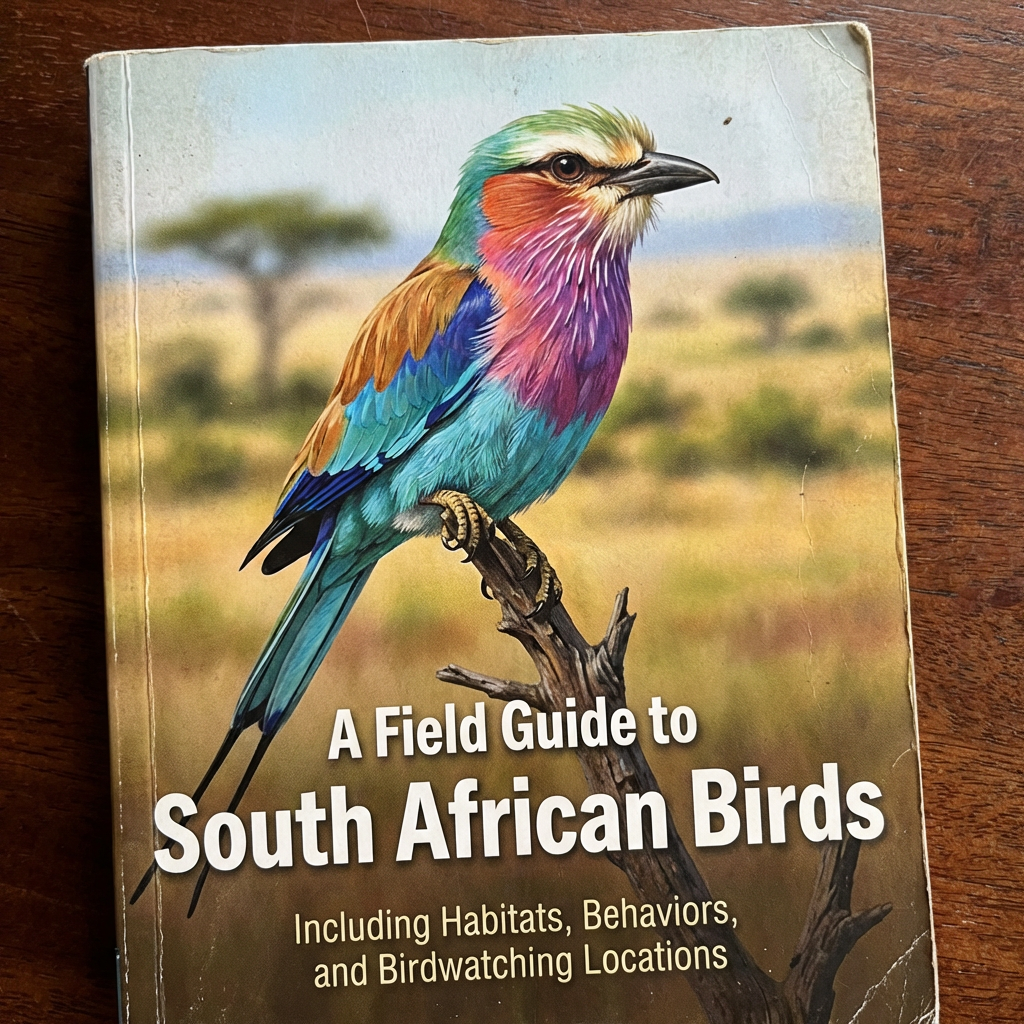
Field guide
Sasol Birds of SA is excellent
Notebook and pen
for field notes

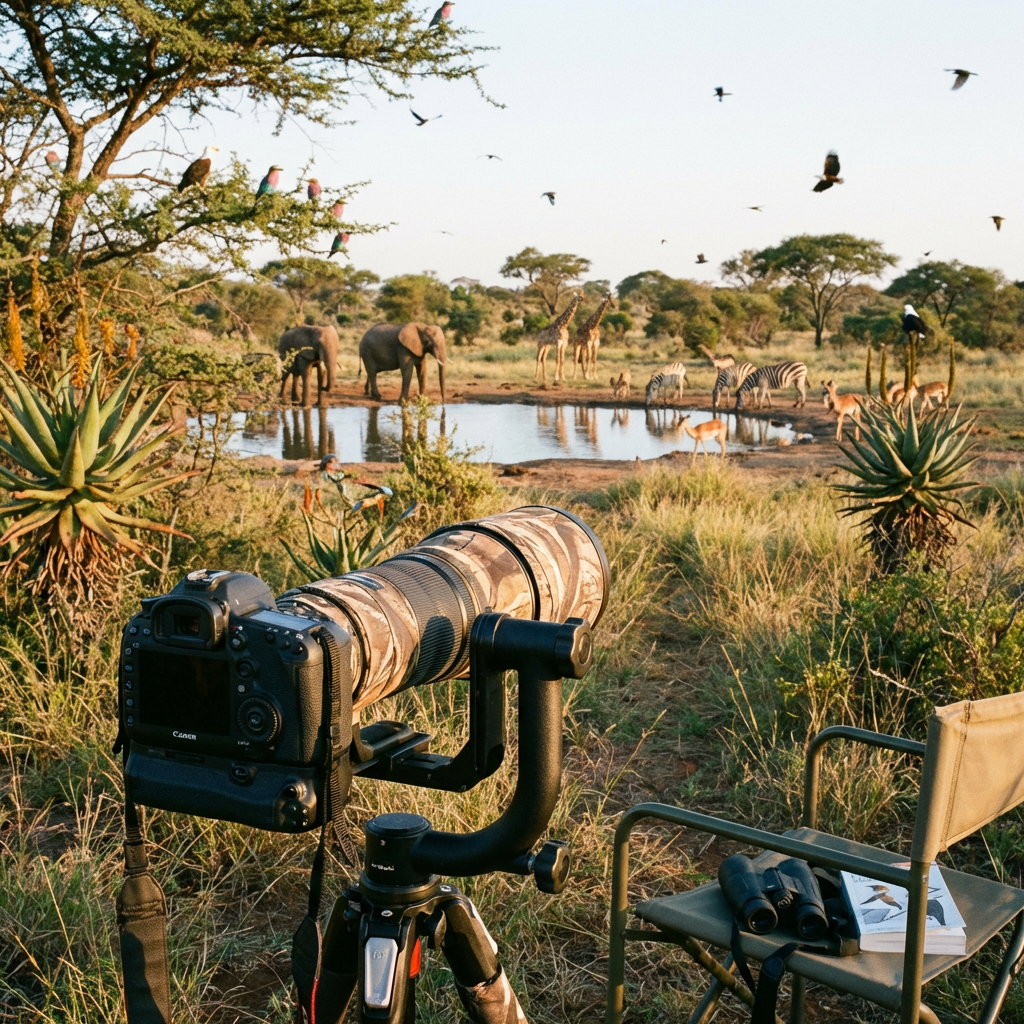
Camera with a long lens
if photography is your focus
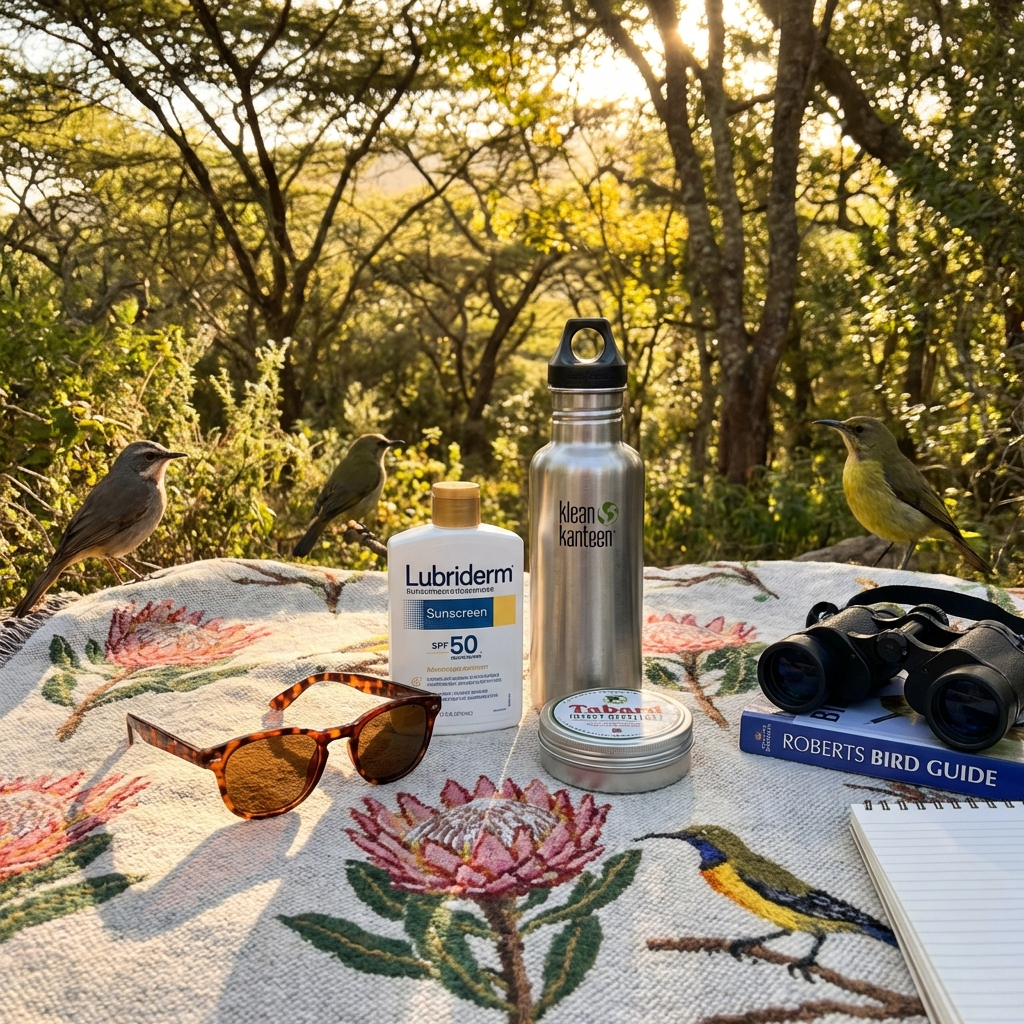
Sunscreen, water bottle, and insect repellent
Maximizing Your Birding Safari
Visit Multiple Habitats: Don’t limit yourself to one region. South Africa’s diversity means spending a few days in different areas dramatically increases your species count.
Be Patient: Some of the most rewarding birding moments come from simply sitting quietly and allowing the environment to reveal itself.
Rise Early: The first few hours after sunrise are prime birding time. Birds are most active, visibility is good, and temperatures are pleasant.
Final Thoughts
Success in birding comes down to preparation, patience, and proper gear. When you’re dressed in comfortable, practical clothing like Salty Bushwear’s safari collection, you can focus entirely on the birds rather than being distracted by discomfort or impractical gear.
Pack your binoculars, dress in earth-toned bushwear, and prepare for an adventure that will fill your field guide with check marks and your memory with moments of pure natural wonder.






